This is Poterie Renault

It doesn’t happen often. It happened once.
In September 2018, during a trip through France with Food52, we came across a few vintage pieces at Maison Empereur in Marseille. We were told the factory had closed in the early 2010s, after more than a decade of decline.
We started looking for contacts. After a few days, we found the family and one of the heirs gave us access to the site.
What we saw that day remains my biggest discovery. We opened the first doors. There were products everywhere.
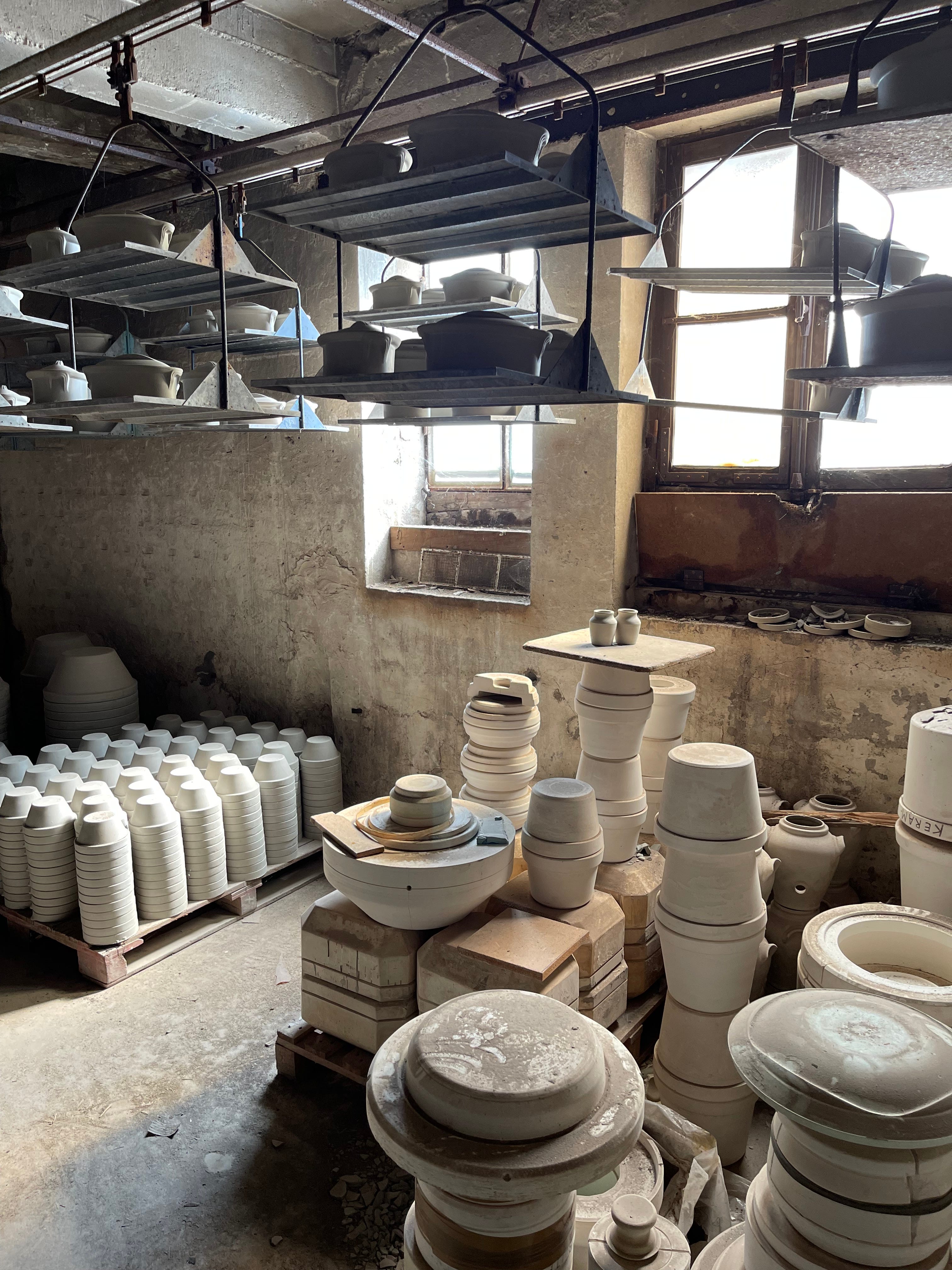
Hundreds of crates. More than 150 styles. Some pieces likely over a hundred years old, stacked across several buildings. Old molds still in place.
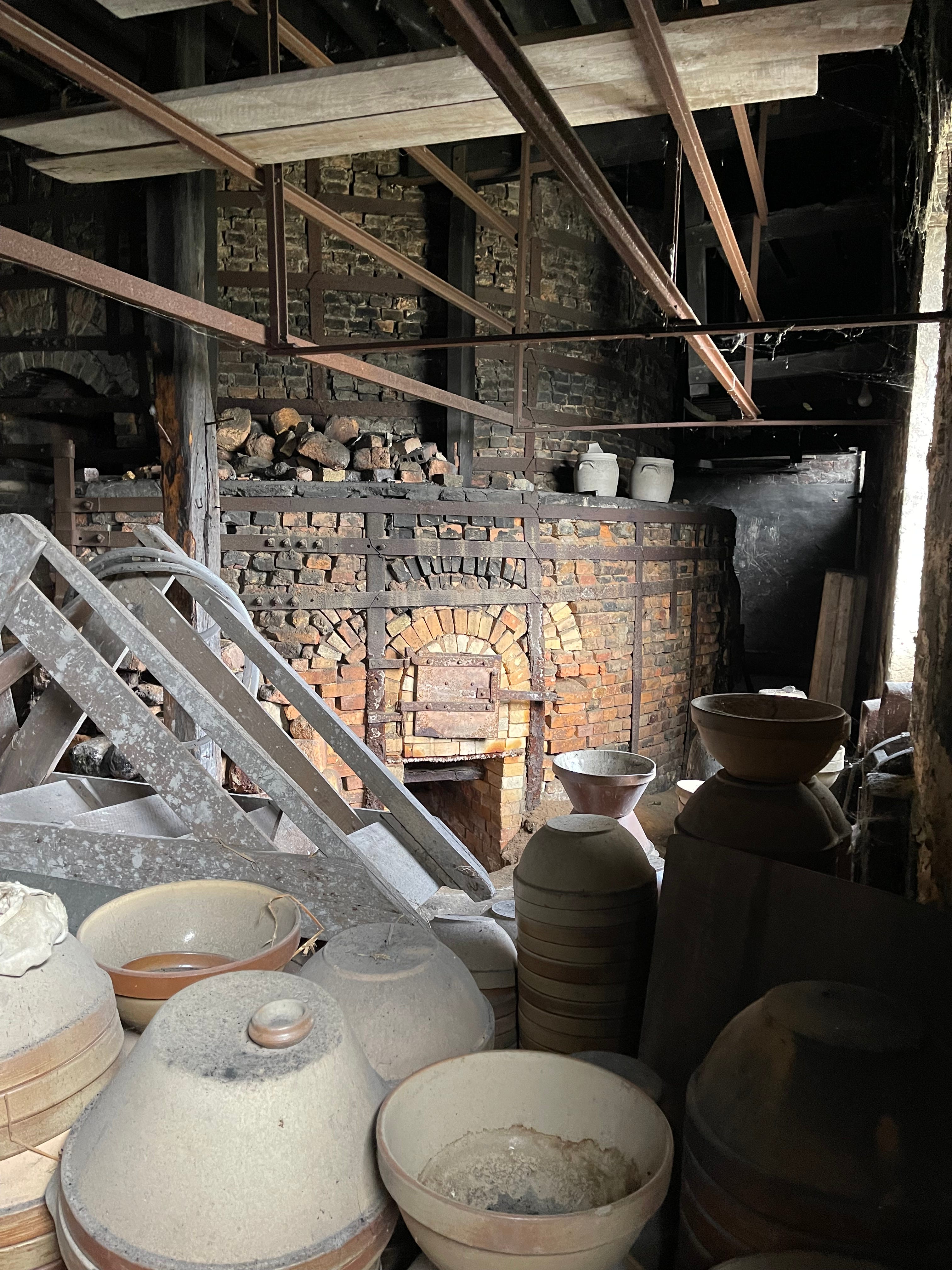
Pieces at every stage of production. Carts on rails filled with tens of thousands of bisque forms. Blackboards with handwritten orders still visible. In the lab, samples, weighing scales, glazes in ceramic jars with worn paper labels. Tools left where they had last been used, wire cutters, sponges. Everything was still there.
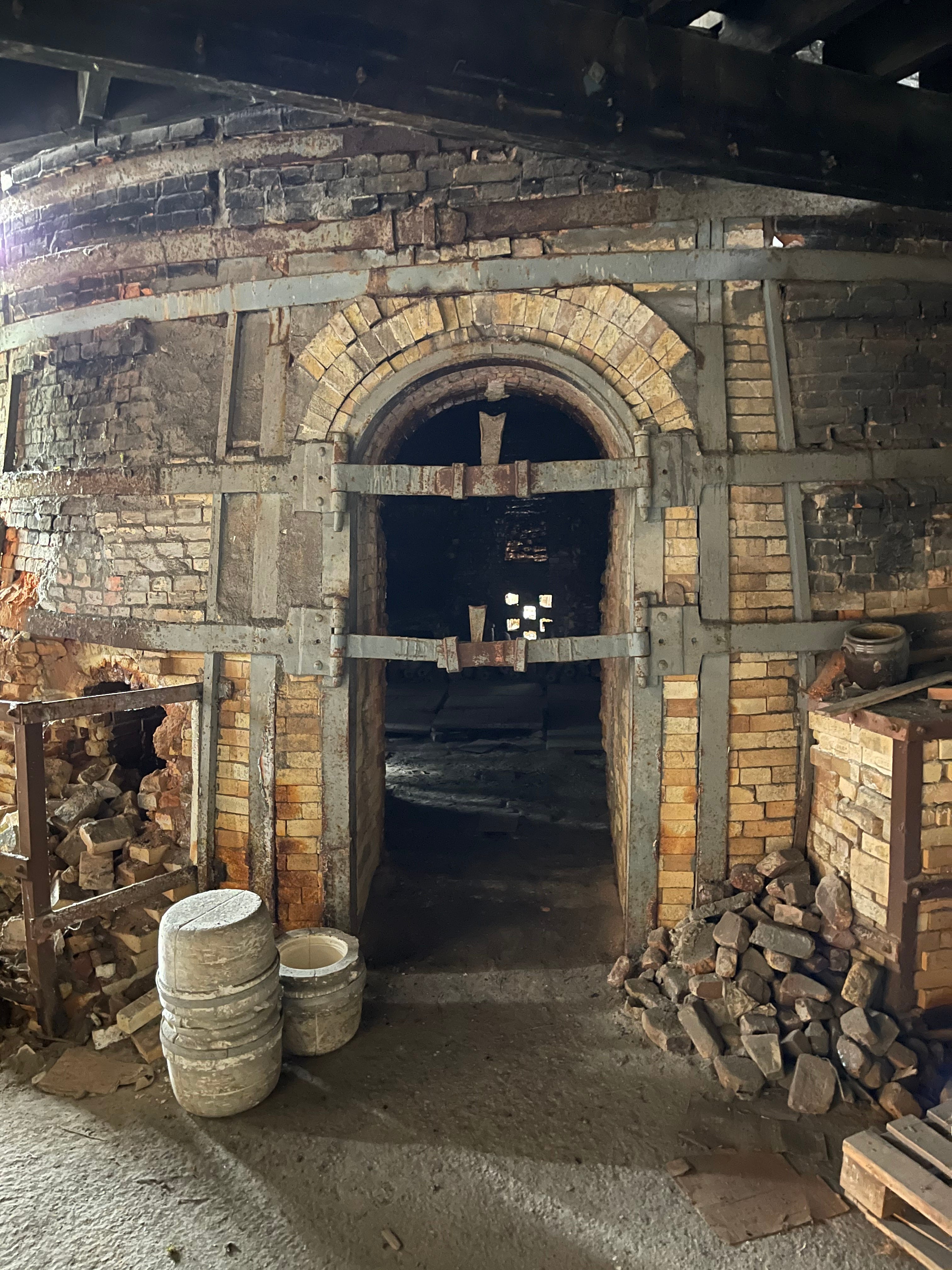
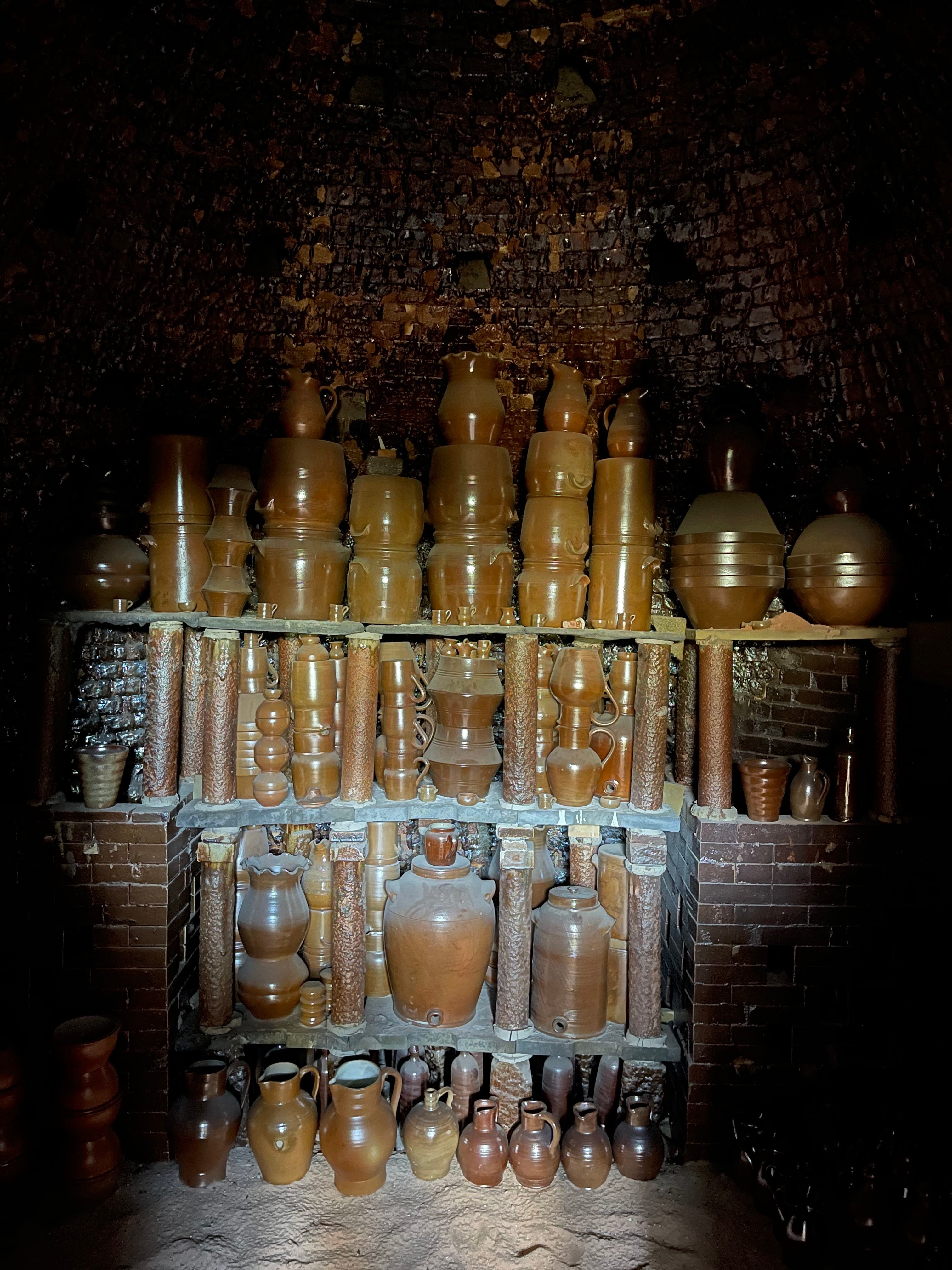
The kilns were the most striking. Large structures, almost like clay houses, with narrow doors. The walls inside had turned silver from years of salt firing. Some pieces were still inside, frozen in time.
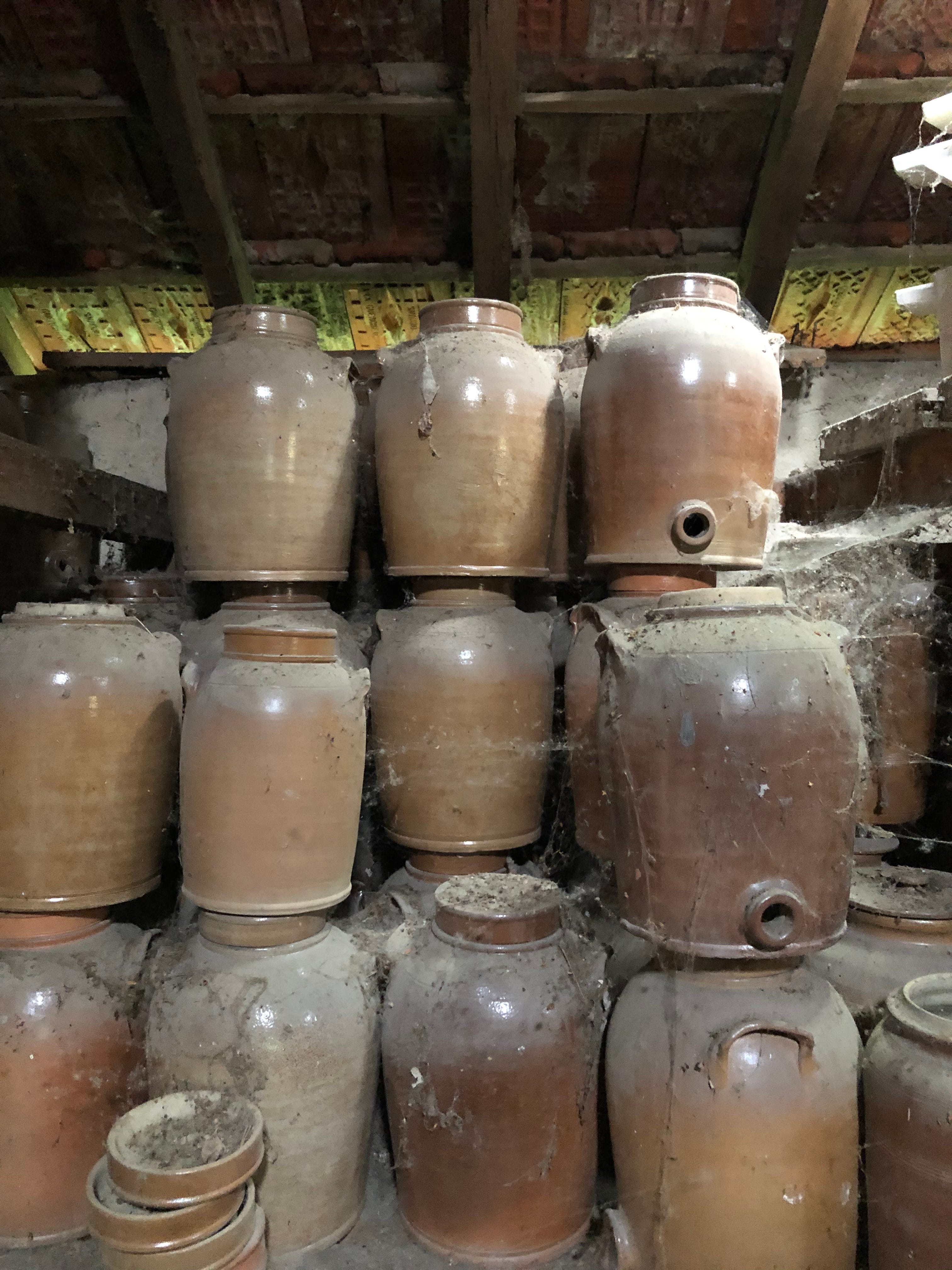
Dust. Spider webs. And the distinct feeling that someone had simply forgotten to come back. Even the attendance board near the entrance with columns marked “present” and “absent” made it concrete. What stayed with me was the feeling of a place paused.
This was Poterie Renault.
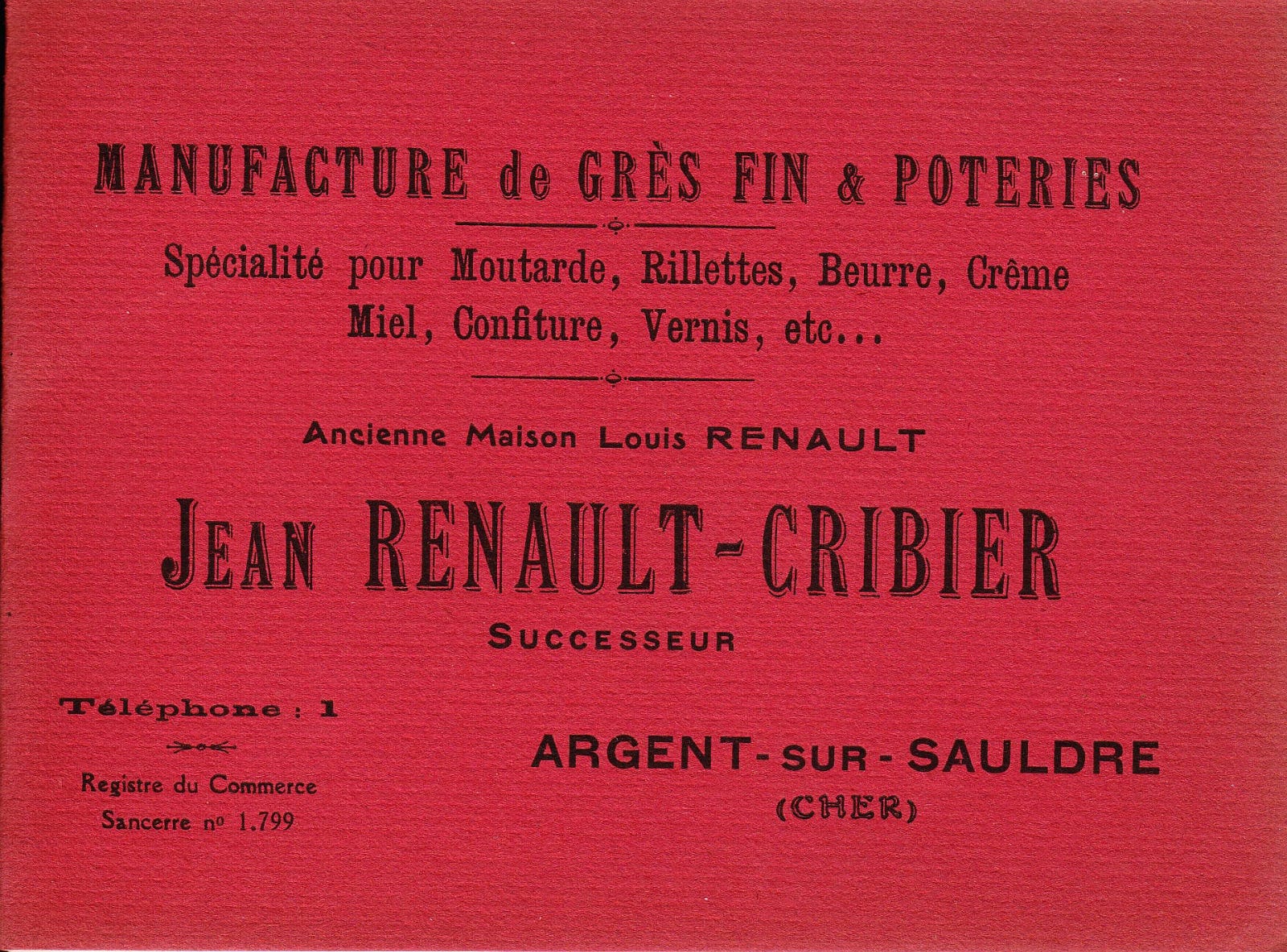
Founded in 1847, in Argent-sur-Sauldre and Bonny-sur-Loire, in the Sologne region. For more than a century, it produced salt-glazed culinary pottery used across Europe.
The location made it possible. Water, clay, forests for fuel, and the Loire for transport. At that time, and up until the Second World War, salt-glazed stoneware jars were in high demand as preserving jars. Before gas and electricity, the surrounding forests powered the kilns. Salt firing required temperatures above 1200°C and long cycles. Everything about the region supported it.
These were working objects, made for professional kitchens. Made to cook, store, ferment. The technique was simple and demanding: salt thrown into the kiln at high heat, creating a natural glaze. Each piece slightly different.
When we understood what was still there, I made the decision to bring as much as possible to the US. We started in 2019. The first container sold almost immediately.
Then COVID hit.
The factory had no electricity. No staff. Every piece had to be cleaned by hand. Work stopped in 2020 and 2021. We resumed slowly in 2022 with local help. The last containers left in early 2024.
The product did something I hadn’t fully anticipated. Retailers asked questions. Chefs got involved. Customers wanted to understand shapes, uses, origins. For many, it brought back memories, objects they had seen growing up in France. It changed the conversation.
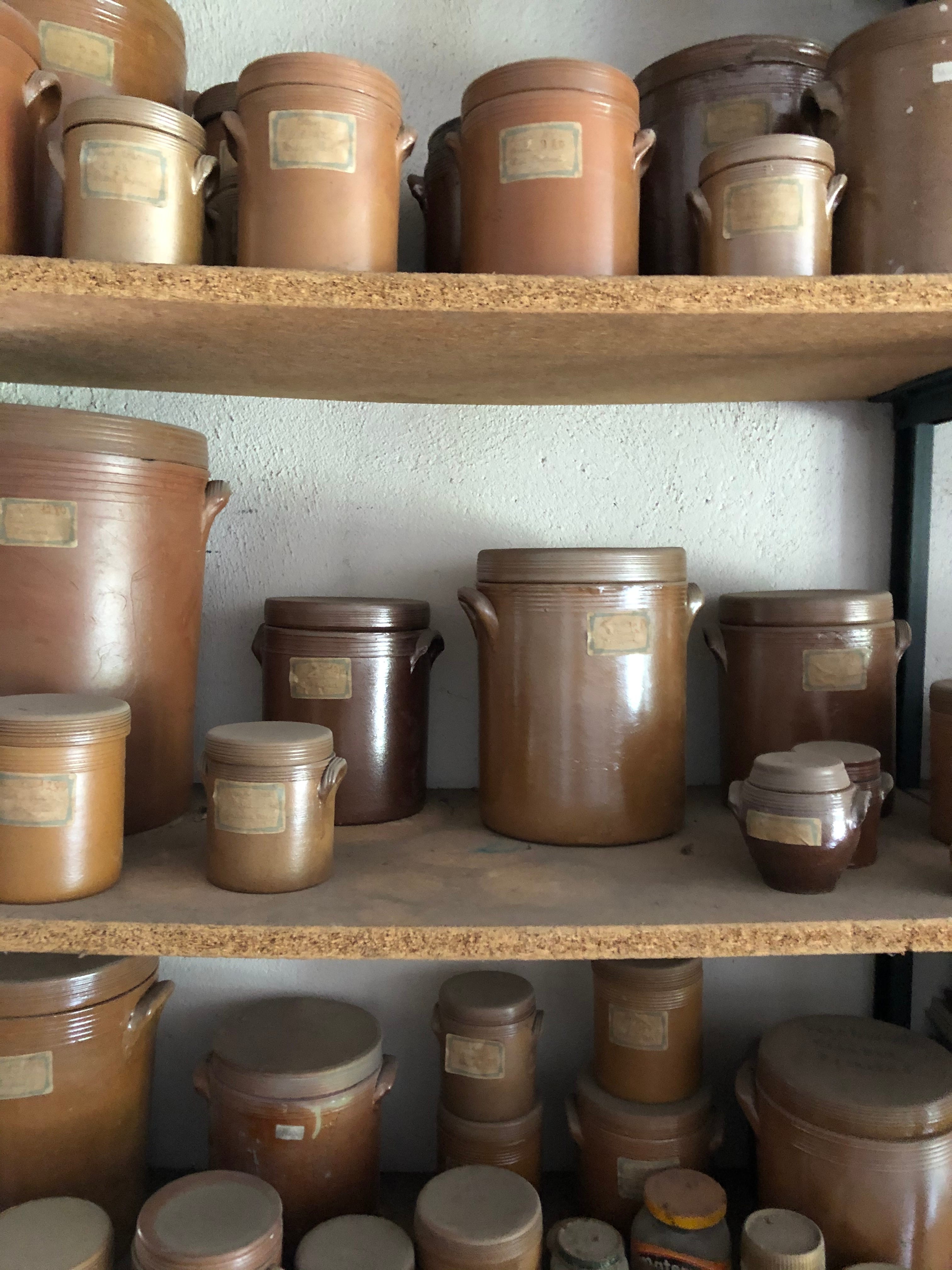
At some point along the way, we learned that Chuck Williams had been a customer of Poterie Renault when the factory was still running, importing pieces to sell through Williams-Sonoma under the name “French country pottery.” Some crocks were eventually called the “Sonoma”.
So what happened? How does something like this disappear?
The answers are familiar. Cheaper materials. Faster production. New aesthetics. Different expectations. Lower labor costs elsewhere.
We tried to bring it back. With Jean Renault, one of the heirs, we explored restarting the site. Local officials were supportive. Former workers were willing to pass on their knowledge. But the pieces never came together. We spoke with two ceramics schools. The work was too demanding. Not attractive enough. Not aligned with what the next generation was looking for.
In 2022, we developed a broader idea: part museum, part studios, part production, part events. It required sustained leadership, capital, and a single person willing to own it completely. None of that aligned. It didn’t happen.
In more than 25 years of importing, I have rarely seen products carry that level of meaning. New retailers reached out. Customers who had never engaged that way before started asking real questions. The sales allowed the Renault family to restore parts of the factory that were at risk of collapsing.
These objects had nothing to do with speed. Slower. Real use. Real history. Bringing them to the US wasn’t easy. But some things are worth the trouble precisely because they can’t be reproduced.
That’s what I was looking for. That’s still what I look for.
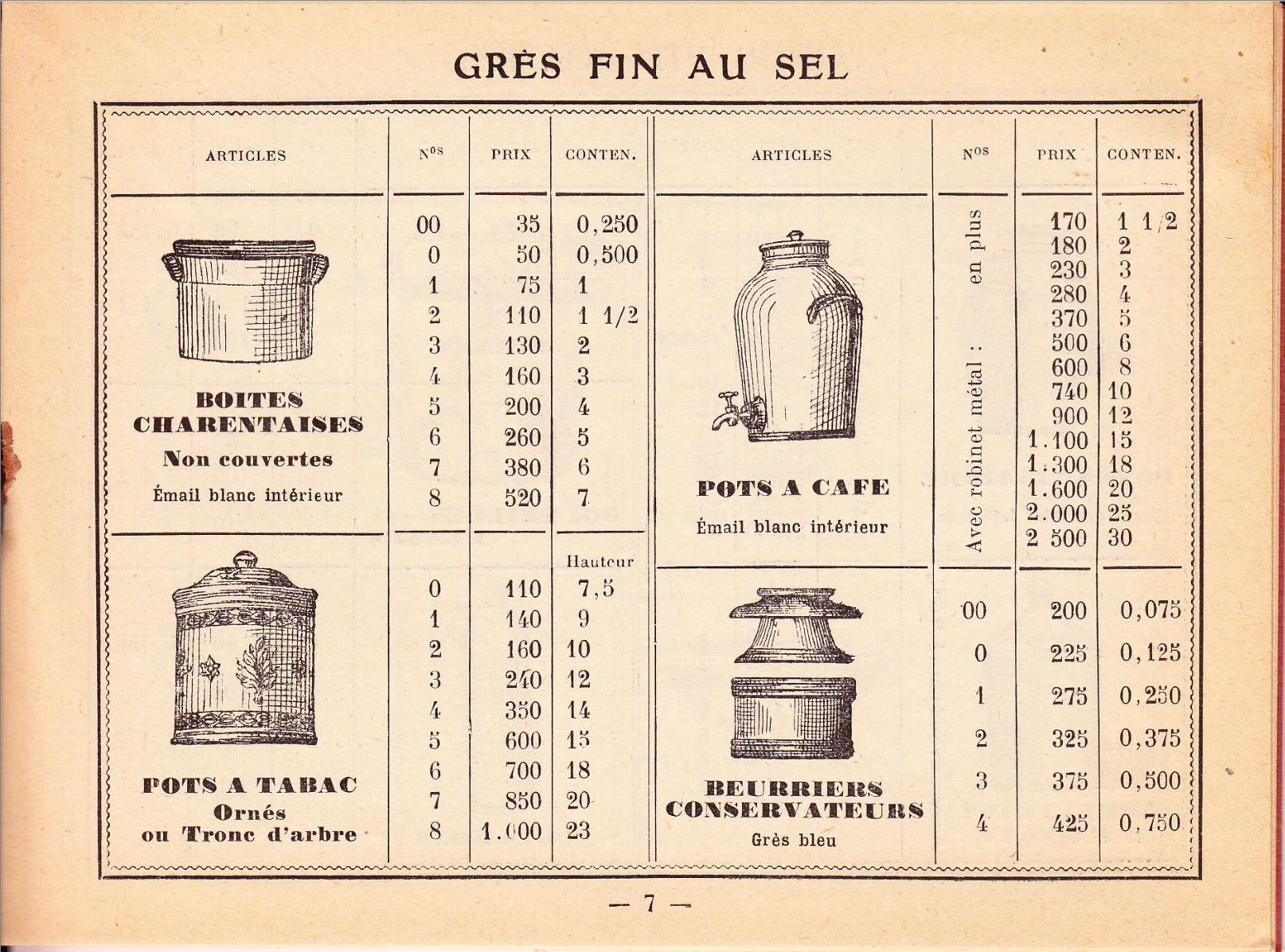
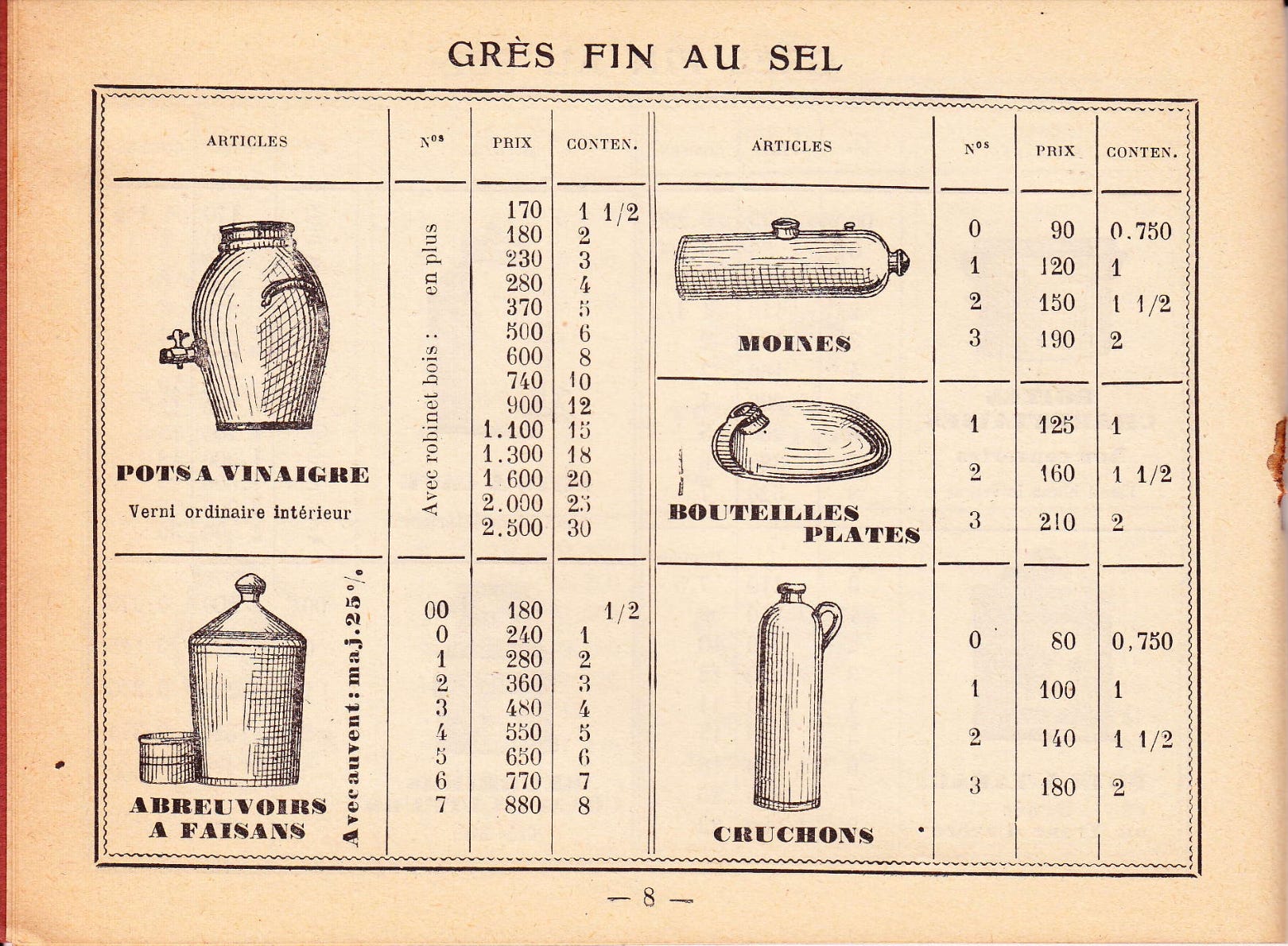
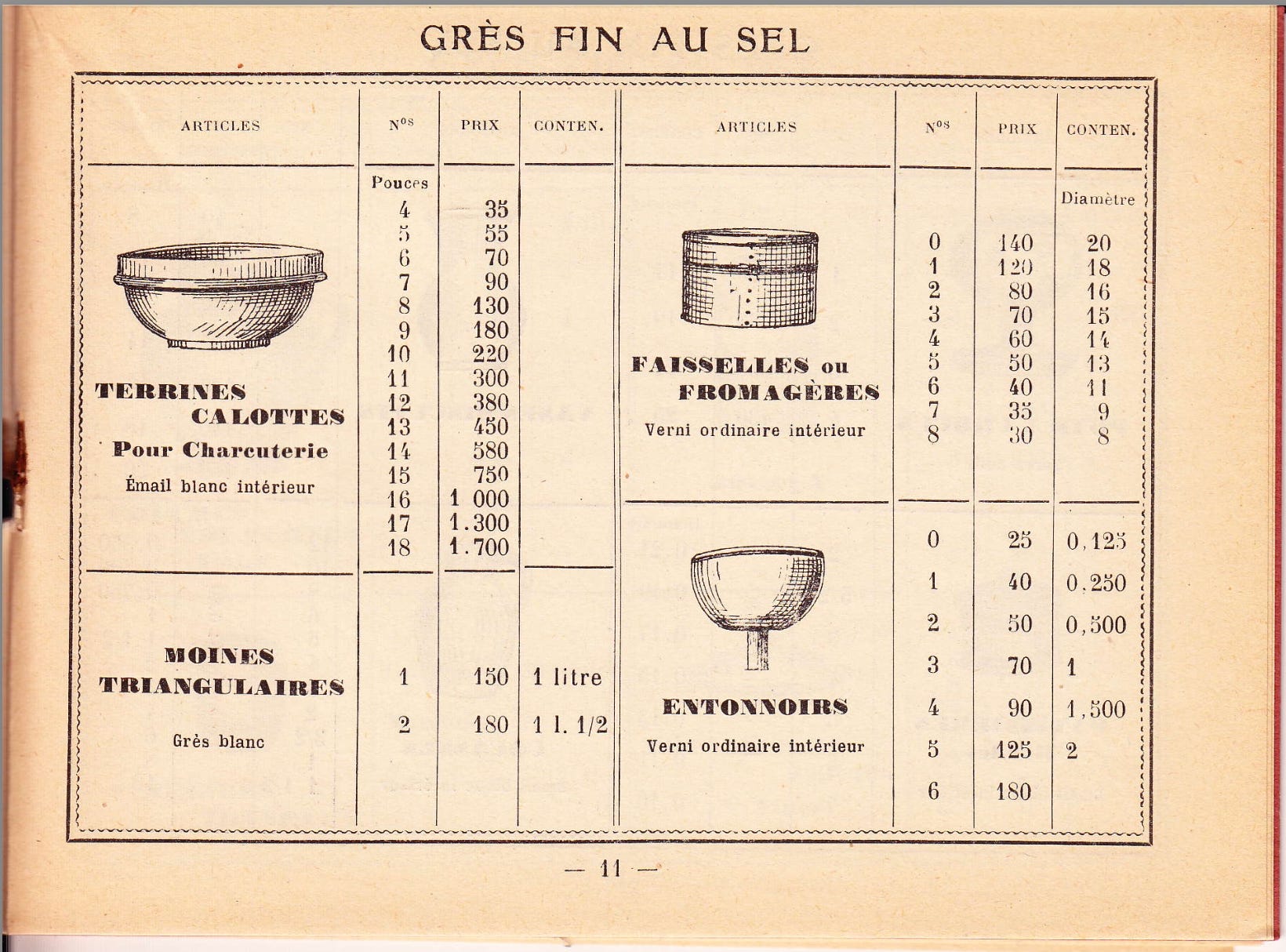
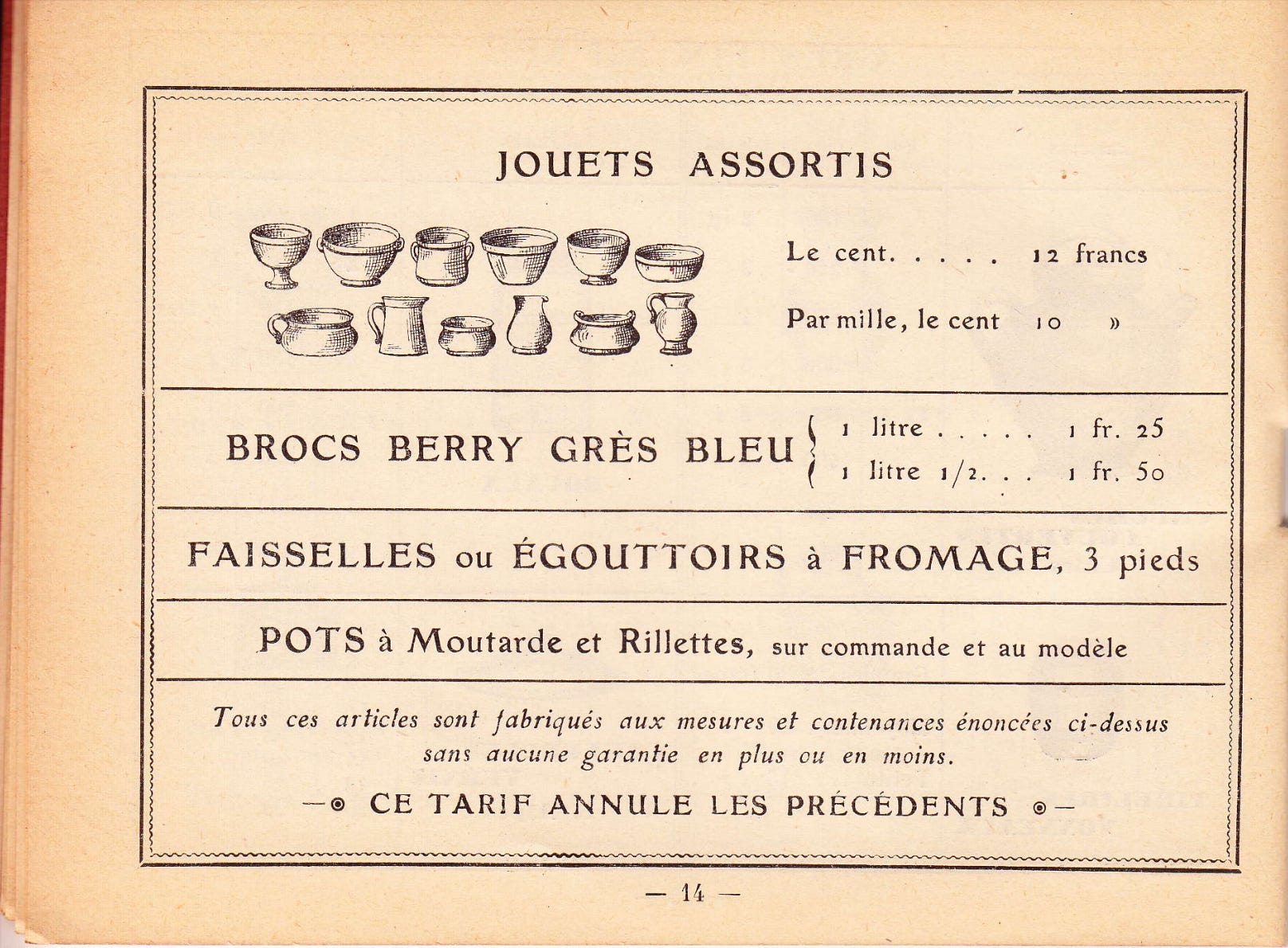
Annex: Excerpt of Poterie Renault Catalog Circa 1867
We sell these in my small flower shop and love telling the story. How do we source more? Thanks for sharing this lovely legacy with the world.
I use the bowls o bought from you every week. My students ask me, every week, where I got them, and sadly I tell them they're not available anymore. The pieces are beautiful, elegant, and timeless. They have an incredible tactile quality. It is such a shame that the production could not resume. Thank you for rescuing what was there! I treasure the pieces I have.